 Skip to content
 Now Offering Professional Plumbing Services!



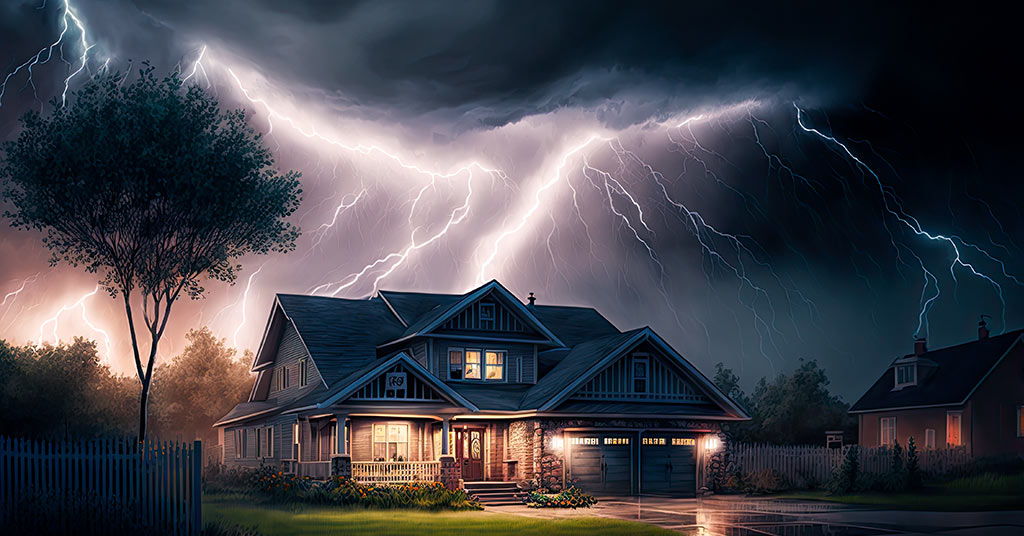
Spring brings warmer temperatures, blooming landscapes, and longer days—but in central and northern Georgia, it also marks the arrival of unpredictable and often severe weather. Heavy rainfall, high winds, lightning, and sudden power outages are common during spring storm season, and these conditions can put significant strain on your home’s HVAC and plumbing systems.
While many homeowners focus on exterior storm preparation, such as roof inspections and yard cleanup, what happens inside your home is just as important. Without proper preparation, spring storms can lead to uncomfortable indoor conditions, water damage, system failures, and expensive emergency repairs.
At Air Conditioning Specialist, we help homeowners protect the systems they rely on most. Preparing your HVAC and plumbing systems before storm season begins is one of the most effective ways to safeguard your home, improve reliability, and gain peace of mind when severe weather strikes.
How Spring Storms Impact HVAC and Plumbing Systems
Spring storms create a unique set of challenges for essential home systems. Lightning strikes and power surges can damage sensitive HVAC electronics, including control boards, thermostats, and motors. Even brief outages followed by sudden power restoration can stress your system and shorten its lifespan.
At the same time, heavy rainfall places increased pressure on plumbing systems, sewer lines, and drainage pathways. Saturated soil can shift underground pipes, while overwhelmed municipal sewer systems may cause backups into homes. Flooding—whether from groundwater, surface runoff, or plumbing failures—can damage water heaters, corrode pipes, and contaminate drains.
When HVAC and plumbing systems are compromised at the same time, recovery can be more complicated and costly. Understanding these risks allows homeowners to take proactive, meaningful steps to reduce storm-related damage.
Preparing Your HVAC System for Spring Storms
A professional HVAC inspection is one of the most important steps you can take before storm season. During a pre-season check, technicians inspect wiring, electrical connections, motors, refrigerant levels, drainage lines, and safety controls to identify vulnerabilities before severe weather exposes them.
Surge protection is another critical layer of defense. Installing a whole-home surge protector or dedicated HVAC surge protection helps shield your system from lightning-related power spikes that can instantly destroy expensive components.
Outdoor units should also be inspected and cleared of debris. Leaves, branches, and yard waste can restrict airflow and cause overheating, especially during warm, humid spring days. Replacing air filters improves efficiency and ensures proper airflow during periods of heavy system use.
For homes in flood-prone areas, elevating or anchoring outdoor HVAC units provides added protection against water intrusion. Even minor flooding can cause extensive damage if water reaches electrical components.
Plumbing Preparation Before Heavy Rainfall
Your plumbing system plays a critical role in managing stormwater and protecting your home from water damage. Gutters and downspouts should be cleaned and inspected regularly to ensure rainwater is directed away from the foundation. Poor drainage can lead to basement leaks, foundation stress, and increased pressure on plumbing systems.
Sump pumps are especially important during spring storms. Testing your sump pump before storm season ensures it will activate when water levels rise. Installing a battery backup is highly recommended, as storms often cause power outages precisely when sump pumps are needed most.
Homeowners should also locate, label, and test their main water shutoff valve. In the event of a burst pipe or major leak during a storm, being able to quickly shut off the water can prevent extensive damage.
Inspecting exposed pipes, fixtures, and hose bibs for small leaks or corrosion is another key step. What seems minor under normal conditions can quickly worsen during heavy rain, soil movement, or pressure changes.
System Safety During Active Storms
When severe weather hits, taking a few simple precautions can protect your systems and reduce risk. During power outages, turn off your HVAC system at the thermostat to prevent damage when power is restored. Sudden voltage surges can strain motors and electronic components if the system restarts unexpectedly.
Avoid excessive water use during periods of intense rainfall. This helps reduce stress on sewer lines and lowers the risk of backups, especially in older neighborhoods or areas with combined sewer systems.
If flooding occurs, do not operate HVAC equipment, furnaces, or water heaters that have been exposed to water. Submerged equipment poses safety risks and may suffer hidden damage. A professional inspection is essential before restoring service.
Post-Storm HVAC and Plumbing Inspections
Once storms pass, a careful inspection helps catch issues early. Check outdoor HVAC units for visible damage, displaced components, or debris buildup. Remove any protective covers and ensure the unit has proper airflow before restarting.
Inside the home, monitor comfort levels and listen for unusual noises, odors, or system behavior. Reduced airflow, uneven temperatures, or frequent cycling can indicate storm-related damage.
Plumbing systems should also be checked after heavy rain. Look for slow drains, gurgling sounds, changes in water pressure, or visible leaks around fixtures and appliances. Early detection prevents small problems from turning into major repairs.
The Value of Ongoing Maintenance and Protection
Routine maintenance is the most effective way to protect your home from storm-related HVAC and plumbing damage. Seasonal inspections allow technicians to identify worn components, drainage issues, and electrical vulnerabilities before they fail under severe weather conditions.
Maintenance plans provide additional peace of mind, often including priority service during peak demand, discounted repairs, and scheduled system checks. During storm season—when emergency calls surge—having a trusted provider already familiar with your home makes a meaningful difference.
Trust Air Conditioning Specialist for Spring Storm Preparation
Homeowners throughout central and northern Georgia trust Air Conditioning Specialist for expert HVAC and plumbing services. Our experienced team understands the challenges local weather presents and knows how to prepare systems for reliability, safety, and long-term performance.
Whether you need a seasonal inspection, surge protection, sump pump service, or post-storm repairs, we’re here to help protect your home before storms arrive—and restore comfort afterward.
Preparation today ensures safety, comfort, and confidence tomorrow. Contact Air Conditioning Specialist to schedule your spring HVAC and plumbing inspection and face storm season fully prepared.