
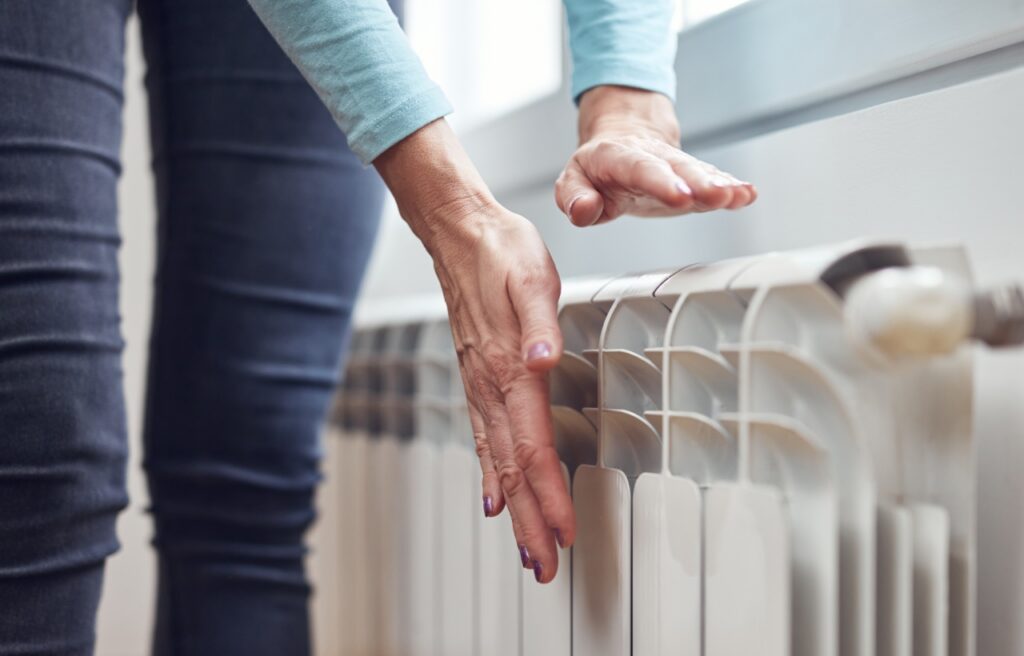
A lot of the “my heat pump not heating” calls we get end with our tech flipping a thermostat setting, swapping a filter that was way past due or resetting a breaker, all things the homeowner could have checked in a few minutes with a flashlight. Then there are the other calls, where it really is a refrigerant leak or a part that’s on its way out, and that’s when you want somebody trained standing in your yard. Knowing which situation you’re in is how you save yourself money, a wasted afternoon and a cold night.
Drive through just about any neighborhood in Georgia and you’ll spot a heat pump humming beside half the houses, and this winter could put them through more than usual. The forecasters are expecting a Super El Niño, which around here tends to mean sharp swings between mild days and Arctic cold, plus a better chance of ice storms. In our experience that’s the exact weather that exposes a heat pump that’s low on refrigerant, one that can’t defrost properly, or one that’s been leaning way too hard on its backup heat without anybody noticing.
Here’s a little context on why we think it’s worth getting to know your heat pump before the cold arrives:
- New homes are going heat pump more than ever. The National Association of Home Builders dug through the Census data and found that 47% of new single-family homes started in 2024 used a heat pump as their primary heat, and back in 2000 that number was 23%.
- Down here, electric heat is the norm. We didn’t realize how unusual we are until we saw it in the U.S. Energy Information Administration’s numbers, but the South is the only region where most homes heat mainly with electricity, which makes your heat pump a pretty big deal for Georgia families.
- Heating and cooling are the lion’s share of the energy bill. Space heating and air conditioning came to 52% of a typical household’s annual energy use in the EIA’s figures, and since your heat pump does both jobs, one that’s running poorly costs you in July as much as it does in January.
Below we’ll start with how a heat pump actually makes heat, since that explains a lot, and then get into what you can safely check on your own before we cover the repairs where you’ll want a pro.
How your heat pump heats your home
Most of the confusion we run into clears up the minute people understand one thing about their system. Your heat pump isn’t burning anything to make heat like a gas furnace would. It’s moving heat that’s already outside into your house, and once you think of it that way, you can tell a lot more easily when it’s behaving and when it isn’t.
Moving heat instead of making it
We know it sounds backward to say there’s usable heat in cold January air, but there is, and your heat pump gets at it with refrigerant, which soaks up heat as it boils into a gas and gives it back off once it condenses into a liquid again. In the outdoor unit the compressor squeezes it until it’s hot. It gets pumped inside to the indoor coil, and your blower pushes house air across that coil and sends it, warmed up, through the ducts.
In the summer the whole process runs in reverse to cool the house. A part called the reversing valve flips the direction the refrigerant travels, which is how one piece of equipment covers both seasons, and it’s also why a heat pump problem can mess with your comfort no matter what month it is.
Why heat pump air feels cooler than a furnace
If you grew up with a gas furnace, the first winter with a heat pump can feel a little underwhelming, and we get plenty of calls from people convinced theirs is broken because the vents feel warm and not hot. That’s usually just how they work. Furnace air often comes out well above body temperature, where a heat pump sends out a gentler stream of warm air and keeps it going longer.
Those longer, steadier cycles are on purpose, because that’s how the system stays efficient, so lukewarm air all by itself doesn’t worry us much. Lukewarm air while the house keeps slipping colder is a different story, and so is a system that runs for hours without ever getting to the temperature you set.
Defrost mode and auxiliary heat
When it’s cold and damp outside, frost starts collecting on the outdoor coil, and every so often the heat pump switches into defrost mode for a few minutes to clear it off. You might look out the window and see steam rolling off the unit, and inside you’ll probably feel cooler air for a bit, and none of that is a problem as long as the cycle wraps up and the heat comes back on.
Most systems also have auxiliary or emergency heat, which is usually a bank of electric heating strips inside the indoor unit. Those strips kick on during defrost, or when it gets too cold for the heat pump to keep up alone, and the EIA notes that this electric backup does the job fine but is pretty expensive to run. So if you notice your thermostat showing auxiliary heat all day long, that’s often a sign your heat pump isn’t carrying its share of the load.
Simple things to check first
Give yourself ten minutes before you pick up the phone. A surprising number of the no-heat calls we go out on end up being a setting, a filter or a switch, and it’d be a shame to pay for a visit over one of those.
Thermostat settings and batteries
Start with the thermostat, since that’s where we start too. You want it on heat, not on cool and not on fan only, with the temperature set a few degrees above what the room reads right now, and if the screen looks blank or dim, put fresh batteries in it, because plenty of thermostats stop talking to the heat pump once their batteries get weak.
Now look at the fan setting, because it fools a lot of people. Left on “on” instead of “auto,” the blower keeps going even between heating cycles, and all it’s pushing then is room-temperature air, which honestly feels just like a heat pump blowing cold at you. While you’re looking, make sure the kids or a guest didn’t bump it over to emergency heat, since that skips the heat pump entirely and runs only the pricey backup.
The air filter and your vents
If we had to name the single most common reason we find a heat pump struggling, a clogged filter would be right at the top. When air can’t move easily across the indoor coil, there’s no way for the system to get enough heat into the house, and sometimes the airflow gets bad enough that a safety switch shuts the whole thing down.
Pull the filter and hold it up to a lamp or a window. No light coming through means it’s done, and if you’re not sure what to replace it with, our guide on which air filter you need can help. After that, take a quick walk through the house. A couch shoved up against a return grille or a rug laid over a floor vent is more common than you’d guess, and curtains do it too. We’d also leave the spare room vents open, even if nobody’s using that room, since shutting them squeezes airflow for the whole house and tends to backfire.
Breakers and the outdoor disconnect
Your heat pump is really two machines, one inside and one outside, and each one usually gets its own breaker. So open up the electrical panel and look for anything tripped with a label along the lines of heat pump, air handler, HVAC or condenser, and if you find one, reset it one time.
Outside, on the wall near the unit, there’s a disconnect box, and you’ll want to make sure the switch or pull-out block in it is set to on. If the breaker you reset trips again, though, leave it alone and call us, because a breaker that won’t stay on can point to an electrical fault or a motor or compressor that’s starting to fail.
Outdoor unit problems that stop the heat
If the box in the yard can’t breathe or gets damaged, it can’t gather heat, and you feel that inside pretty quickly. These are the things we’d point at if we were out there in the cold with you.
Ice buildup on the outdoor unit
Some frost on the outdoor coil is completely normal when it’s cold and damp out, and the defrost cycle is supposed to melt it off now and then. A unit that’s been sealed up in thick ice for hours is another matter, especially if it’s caked across the top or wrapped all the way around the coil, and that’s when we’d want to hear from you.
When we see ice that heavy, our list of suspects is short. Sometimes the defrost cycle just isn’t kicking in, or a defrost sensor or control board has died, and other times the outdoor fan has stopped or the refrigerant is low. We’ve even traced it to a clogged gutter dripping on the unit all night. Whatever you do, don’t go at that ice with a screwdriver or a scraper (those fins and lines puncture a lot easier than people expect), and instead just clear the snow and debris away from the base, put the system on emergency heat if the house is getting cold, and give us a call.
A dirty or blocked outdoor coil
A heat pump needs outdoor air moving freely across its coil, and around here the usual suspects are leaves, pine straw, grass clippings and shrubs that got a little too comfortable, though we’ve also found units with a tarp tied over them. Anything that chokes off the airflow means less heat collected, so the system leans on that expensive backup heat to make up the difference.
Before you put a hand on it, cut the power at the disconnect. Then you can clean off the top and sides and cut the plants back to about two feet of open space all the way around. A gentle rinse with the garden hose on a mild afternoon won’t hurt the fins one bit, though a pressure washer will, so leave that in the garage. One more thing, and it’s a big one: don’t cover a heat pump for the winter, since unlike an air conditioner, it’s running all season.
Outdoor fan not running
That big fan on top of the outdoor unit should be spinning any time your heat pump is heating, other than the short pause it takes during defrost. A compressor humming away under a fan that never moves is a bad combination, because the system can’t pull in the outdoor air it needs to do its job.
When we open one of those up, it’s usually a failed capacitor or a tired fan motor, and once in a while a control problem. We’d shut it down rather than let it keep running, because that’s how compressors overheat, and the compressor is the priciest part of your heat pump by a long way. Emergency heat will keep you warm in the meantime until we get out there.
Common repairs behind a heat pump not heating
So you’ve done the easy checks and the house is still cold. At that point the problem is likely inside the system, and these are the repairs our technicians end up doing again and again when a heat pump stops heating, explained the way we’d explain them at your kitchen table.
Low refrigerant and leaks
A lot of folks figure refrigerant gets used up over time, like gas in a car, and it doesn’t. It just goes around and around a sealed loop, so if yours is low, there’s almost certainly a leak, and in our experience it’s usually in one of the coils or somewhere along the copper lines.
A heat pump that’s running low can’t pick up enough heat from outside. Most people catch it because the air coming out is lukewarm and the system seems to run forever, while behind the scenes the costly backup heat is picking up the slack, and if it goes on long enough you’ll get ice on the outdoor coil and, eventually, a hurt compressor. Some folks hear a hiss or a bubbling sound near the unit first, and some spot ice on the refrigerant lines, but just as often it’s the electric bill that tips them off. The real fix is to find that leak, seal it and recharge to the manufacturer’s specs, because if somebody only tops it off, you’re paying for the same refrigerant again before long.
A stuck reversing valve
We mentioned the reversing valve earlier as the reason one system can both heat and cool your house. It’s supposed to shift over every time the thermostat asks for heat so the hot refrigerant goes inside, and when it hangs up in the cooling position instead, the heat pump keeps on sounding perfectly healthy while it blows cool air all over the living room.
What usually causes it is a failed solenoid, which is the little electric coil that does the moving, and less often the valve itself has simply worn out inside. If we’re lucky a new solenoid fixes it. If not, the whole valve has to come out, which means recovering the refrigerant and recharging it afterward, so either way this one belongs to a licensed tech from our heat pump repair team and not to a Saturday afternoon and a how-to video.
Capacitor, contactor and compressor problems
Think of the capacitor as the thing that gives the compressor and fan motors a kick to get them started. They wear out, especially after one of our hot Georgia summers, and a weak capacitor can keep the outdoor unit from starting at all or leave it humming without running, while the contactor, which is the switch that sends power out to the unit, can burn or stick as it gets older.
Caught early, both are common repairs that won’t break the bank. Ignore them and they put strain on the compressor, the heart of your heat pump and the most expensive part in it, and a compressor that’s failing may clank or grind loudly, trip breakers or just refuse to start (we go into those sounds more in why a heat pump makes loud noises in cold weather). If your system has some years on it, your technician can help you weigh fixing the compressor against replacing the heat pump.
Getting your heat pump through a Georgia winter
Part of why heat pumps are so popular in Georgia is that our winters are usually mild. This year’s forecast says to expect a rougher, more up-and-down season, though, and a bit of preparation now can keep your system from quitting right when you need it.
Cold snaps and your heat pump’s limits
Every heat pump has a temperature where it just can’t keep up by itself anymore, and once it drops below that point, the backup heat strips start doing more of the work. The newer cold-climate models do far better at low temperatures than the older ones, but most of the heat pumps we service in Georgia are going to need some backup heat during a hard freeze.
The forecasters have been calling this winter a battleground pattern, meaning mild stretches broken up by sharp Arctic blasts. When those cold snaps hit, your heat pump will run longer and go into defrost more often, and if it’s low on refrigerant or has a weak part, that stress is usually what finishes it off, which is exactly why we’d rather look at it in the fall.
Ice storms and power outage restarts
Of everything an El Niño winter can throw at us, ice storms are the biggest risk, and north Georgia tends to get it worst. One night of freezing rain can glaze the outdoor unit over and leave you without power for hours or days. Then the lights come back on, and your heat pump has to fight its way through a hard start in a house that’s been sitting cold.
We’d give it a few minutes after the power returns before you turn the system back on, and then let the defrost cycle work the ice off on its own schedule. Clearing snow and ice from around the base is fine as long as you keep your hands off the coil, and if the unit stays iced up or won’t start, emergency heat will hold you over until we get there. And you’ll hear this from us every winter, but never use a gas oven, a grill or a generator inside to stay warm.
Maintenance and when to call a pro
If you want to skip the no-heat call altogether, the professional tune up before winter is what does it. Our tech will check where the refrigerant is and test the defrost controls and reversing valve, and they’ll look over the capacitor and contactor too, then clean the coils and make sure the backup heat comes on when it should. And since your heat pump handles the air conditioning too, a lot of our customers add a spring visit through our heat pump maintenance service or roll both into a Comfort Club plan.
Call us right away if the heat pump is still blowing cool air after you’ve done the easy checks or it’s stayed covered in ice, and we’d say the same for grinding or clanking noises, breakers that won’t stay on, or auxiliary heat that never seems to shut off. When we catch those early it’s usually a smaller repair, and you get a warmer winter that costs you less.
Frequently asked questions about heat pumps not heating
Why is my heat pump blowing cold air?
Our first stop is always the thermostat, to see that it’s on heat and the fan is on auto instead of on. When the settings check out, we’re usually looking at a dirty filter, a blocked outdoor unit, low refrigerant or a stuck reversing valve, although a short burst of cooler air while it’s defrosting is perfectly normal and nothing to worry about.
Is it normal for heat pump air to feel lukewarm?
For the most part it is, because a heat pump was never going to put out air as hot as a gas furnace, and it runs longer to make up the difference. We’d only start to worry if the house keeps getting colder or the system never quite gets to the temperature you set.
Why is there ice on my heat pump?
Some frost is normal and should melt off during the defrost cycle. When there’s thick ice that stays put for hours, we usually find a defrost control problem, an outdoor fan that quit, low refrigerant or water dripping onto it from above, so leave the ice alone and call for service.
What does emergency heat do?
Flipping to emergency heat turns off the outdoor half of your heat pump and leaves just the backup electric strips inside doing the work. When the heat pump has failed, that’s a lifesaver, but those strips are expensive to run, so we’d use it to get you to the repair and not as the plan for the rest of the winter.
Should I cover my heat pump in winter?
Please don’t, because unlike an air conditioner, a heat pump runs all winter and needs air moving around it. Keep roughly two feet clear on every side of it, and pull the leaves and debris off whenever you happen to be out in the yard.
How often should a heat pump be serviced?
We’d say twice a year, with one visit in fall before heating season and another in spring before cooling season, since the same heat pump is doing both jobs.
Why does this winter matter more for heat pumps?
A strong El Niño is in the forecast, and for Georgia that tends to mean sharp cold snaps and a better chance of ice storms. Both of those make a heat pump work harder and defrost more often, which is when a weak part is most likely to finally give up.
Keep your heat pump working all winter
We know a heat pump that stops heating is stressful, but a lot of these problems are easy to spot and fix when you catch them early. If the quick checks don’t do it, a trained technician can track down the real cause and get your house warm again.
The Air Conditioning Specialist repairs and maintains heat pumps for homeowners in Covington, Milledgeville, Augusta, Athens and the surrounding Georgia communities. Our technicians figure out what’s going on, walk you through your options in plain language and give you clear pricing before any work starts. If your heat pump isn’t keeping up, give us a call and we’ll get somebody out there before the next cold snap rolls in.