
It is the middle of July in Georgia and the humidity is thick enough to cut with a knife, the temperature is pushing 100 degrees, and suddenly, you realize the air coming from your vents isn’t just weak—it’s blowing hot. Or worse, the system has shut down completely, and an eerie silence has fallen over the house, these are the signs of an AC Emergency.
When your air conditioning fails during the peak of summer, it goes from being a minor inconvenience to a genuine emergency in a matter of hours. The heat index in Central and Eastern Georgia isn’t just uncomfortable; for vulnerable family members, it can be downright dangerous.
If you are currently sweating in your living room, searching for answers, you are in the right place. This comprehensive guide covers everything you need to know about an AC emergency breakdown—including how to troubleshoot the problem safely, what causes these sudden failures, what you can expect to pay, and how to get your home back to a comfortable temperature as quickly as possible.
TL;DR: Your Immediate Emergency Action List
If you are actively experiencing an AC emergency right now, skip the reading and take these four steps immediately to protect your home and your HVAC equipment:
- Turn Off the System at the Thermostat: If your AC is blowing warm air, making loud banging noises, or smells like burning plastic, turn it off immediately. Continuing to run a failing system can turn a $150 repair into a catastrophic $3,000 compressor failure.
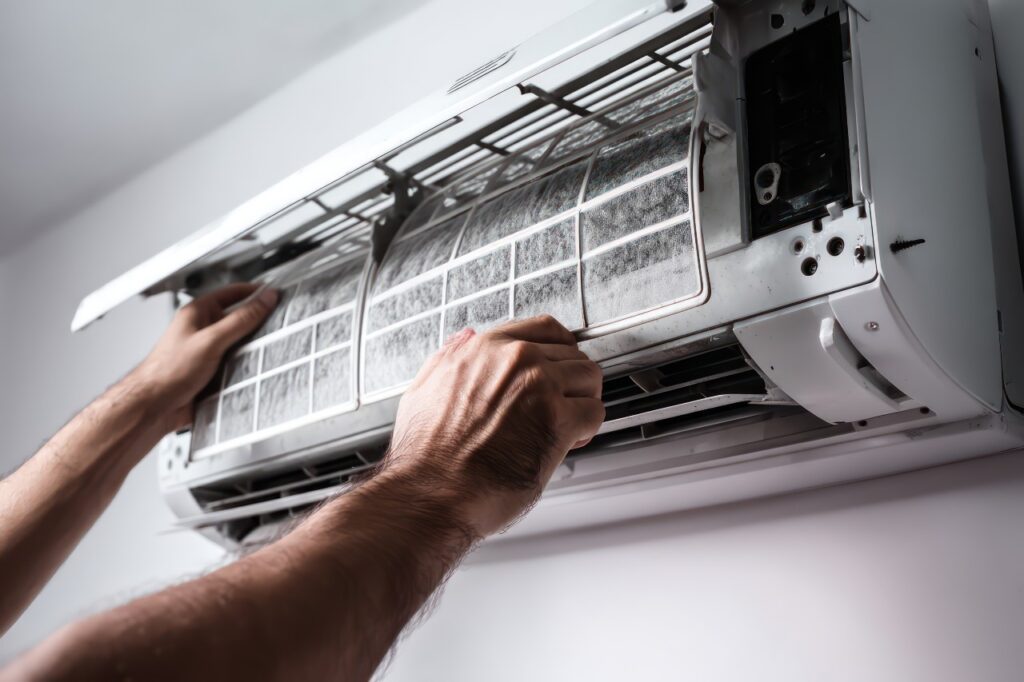
- Check Your Air Filter: A completely clogged air filter can suffocate your system and cause the evaporator coils to freeze over. If it looks like a thick grey blanket, replace it.
- Check Your Breaker Box: Look for a tripped circuit breaker labeled “HVAC” or “AC.” If it’s tripped, flip it fully off, then back on. If it trips again immediately, do not reset it again—you have an electrical short.
- Call the Professionals: In extreme heat, time is of the essence. Reach out to a 24/7 emergency service team.
What Actually Constitutes an “AC Emergency”?
Not every HVAC hiccup requires a midnight phone call. However, knowing the difference between a standard repair and a true emergency can save you time, money, and stress.
It is a True AC Emergency If:
- There are Vulnerable People in the Home: If you have infants, elderly family members, or individuals with respiratory conditions (like asthma or COPD) in the house, a lack of air conditioning in 90+ degree weather is a severe health and safety risk.
- You Smell Burning, Electrical Odors, or Smoke: If your vents smell like burning plastic, ozone, or electrical fire, shut off the system at the breaker immediately. This is an electrical emergency.
- You See Water Pouring from Your Ceiling or Attic Unit: A clogged condensate drain line can cause hundreds or thousands of dollars in water damage to your drywall, ceilings, and floors in just a few hours.
- Loud Screeching or Banging Noises: Metal-on-metal grinding or loud banging usually indicates a fan motor failure or a loose part striking the internal mechanisms. Running the unit will destroy it.
It is a Standard Repair (Can Wait Until Morning) If:
- The system is cooling, but just slightly slower than usual.
- One room in the house feels a bit warmer than the others.
- Your energy bills are creeping up, but the house is still comfortable.
The Most Common Causes of Emergency AC Breakdowns
Understanding why your air conditioner failed can help you communicate better with your technician and understand the scope of the repair. Here are the top culprits behind sudden summer breakdowns.
1. Blown Capacitors and Electrical Failures
If your AC suddenly stops working and makes a faint “humming” or “clicking” sound outside, you likely have a dead capacitor. Capacitors are small, cylindrical devices that act like heavy-duty batteries. They send a massive jolt of electricity to start your compressor and fan motors. Because they work incredibly hard during the peak of summer, they are highly susceptible to overheating and failing. Fortunately, this is one of the fastest and most common emergency repairs.
2. Frozen Evaporator Coils
It seems counterintuitive that an air conditioner could freeze in the middle of a hot Georgia summer, but it happens constantly. Your indoor unit contains an evaporator coil filled with cold refrigerant. Warm air from your house blows over this coil to cool down. If the airflow is blocked (usually by a filthy air filter) or if you are low on refrigerant, the coil drops below freezing. The condensation on the coil turns to solid ice, suffocating the system and causing it to blow warm air.
3. Clogged Condensate Drain Lines
As your AC cools your home, it pulls gallons of humidity out of the air. This moisture collects in a drain pan and flows outside through a white PVC pipe. Over time, algae, mold, and dirt can build up inside this pipe, creating a massive clog. When the water has nowhere to go, it overflows the drain pan. Many modern systems have a safety switch (float switch) that will automatically shut the entire AC unit down to prevent water damage to your home.
4. Refrigerant Leaks
Air conditioners do not “consume” refrigerant (Freon or Puron) like a car consumes gas. It is a closed loop. If your system is low on refrigerant, it means you have a leak. A severe leak will cause the system to lose its cooling capacity rapidly, resulting in an AC that runs constantly without actually lowering the temperature of your home.
5. Catastrophic Compressor Failure
The compressor is the heart of your outdoor unit; it pumps the refrigerant through the system. If the compressor fails, the entire cooling cycle stops. Compressor failure is often the result of long-term neglect, running the system with the wrong refrigerant levels, or electrical surges. Because the compressor is the most expensive part of the system, a breakdown here often requires serious decision-making about the future of the unit.
Fast Solutions: DIY Troubleshooting Before You Call
Before you pay an emergency dispatch fee, it is always worth doing a quick 5-minute diagnostic check. Sometimes, the “emergency” is a simple fix you can handle yourself.
Step 1: Check the Thermostat Settings
It sounds painfully obvious, but check your thermostat. Is the screen blank? If so, change the batteries. Ensure the system is set to “COOL” and not accidentally bumped to “HEAT” or “FAN ONLY.” Make sure the temperature is actually set lower than the current room temperature.
Step 2: Inspect the Breaker Panel
Power surges and overloaded circuits are common in the summer. Go to your home’s electrical panel and look for the breakers assigned to the air conditioner. You will usually have one for the indoor air handler and a separate, larger breaker for the outside condenser. If either is tripped (sitting in the middle position), turn it fully off, then flip it back on.
Step 3: Investigate the Air Filter
Locate your return vent or the filter slot on your indoor unit. Pull the filter out and hold it up to a light. If you cannot see light passing through it, it is choked with dust. A blocked filter forces your system to work twice as hard, often triggering safety switches that shut the unit down to prevent overheating. Swap it for a fresh one, wait an hour, and see if the system recovers.
Step 4: Check the Outdoor Unit
Walk outside and look at your condenser. Is the fan spinning? Is it making a strange noise? Is it buried behind tall weeds, leaves, or yard debris? Your outside unit needs at least two feet of clear clearance to pull in air. If it is suffocated by overgrown bushes, it will overheat and shut down.
Disclaimer: Never open the electrical panel of your outdoor unit or attempt to patch refrigerant lines yourself. HVAC systems carry high voltage and pressurized chemicals that can cause severe injury or death. Leave the internal diagnostics to a licensed professional.
The True Cost of Emergency AC Repair
When the AC dies, a homeowner’s immediate second thought—right after “it’s hot”—is usually, “How much is this going to cost me?”
The cost of emergency AC repair varies wildly based on three primary factors: the nature of the breakdown, the age of your system, and the time of day you call.
Understanding the Variables
- The Call-Out/Diagnostic Fee: Many companies charge a premium dispatch fee for nights, weekends, or holidays. (At Air Conditioning Specialist, we pride ourselves on transparent, upfront pricing so you are never blindsided by hidden emergency fees).
- Minor Repairs: Issues like clearing a clogged drain line, replacing a blown capacitor, or swapping out a faulty contactor are generally affordable and can be completed in under an hour.
- Moderate Repairs: Fixing a moderate refrigerant leak, replacing a fan motor, or swapping out a circuit board will push the costs higher due to the price of the OEM parts and the labor involved.
- Major Repairs: Replacing an evaporator coil or a dead compressor are the most expensive repairs in the HVAC world.
The Ultimate Dilemma: Repair vs. Replace
If you are dealing with a severe breakdown—like a dead compressor or a massive refrigerant leak on an older system that still uses obsolete R-22 Freon—you are going to face a difficult choice. Does it make financial sense to sink $1,500 into a failing 12-year-old system, or is it time to invest that money into a highly efficient, brand-new unit with a fresh warranty?
This is a scenario no homeowner wants to navigate in a panic. To make an informed, stress-free decision, we highly recommend reading our detailed guide. If your system has completely failed, read our guide on how to choose between an emergency repair vs. a full AC replacement. It breaks down the “$5,000 Rule,” the impact of energy efficiency on your monthly bills, and how to know when a unit is simply beyond saving.
Prevention: How to Never Have an AC Emergency Again
Once you have survived an AC emergency, your immediate goal should be ensuring it never happens again. Air conditioners rarely break down “out of the blue.” Usually, an emergency breakdown is the final result of months—or years—of minor, unaddressed strain.
The secret to avoiding the panic, the sweating, and the emergency repair bills is simple: Proactive Maintenance.
The Power of Routine Tune-Ups
Think of your air conditioning system like your car. You wouldn’t drive your car for 50,000 miles without changing the oil, checking the tire pressure, or topping off the fluids. Yet, many homeowners expect their AC to run for thousands of hours every summer without a single check-up.
During a professional maintenance visit, an HVAC technician does much more than just look at the unit. They:
- Test the exact microfarad output of your capacitors to replace them before they blow.
- Clean the condenser coils to ensure the system doesn’t overheat.
- Clear and flush the condensate drain lines so they don’t back up and flood your home.
- Tighten electrical connections to prevent shorts and fire hazards.
- Measure refrigerant levels to catch pinhole leaks before they drain the system.
Make Maintenance Automatic
You have enough on your plate without having to remember when your AC is due for a check-up. The best way to prevent a mid-summer breakdown is by putting your HVAC care on autopilot. By joining our Comfort Club maintenance plan, you get bi-annual precision tune-ups, priority scheduling (meaning if you do have an emergency, you skip the line), and significant discounts on parts and repairs. It is the ultimate peace of mind for Georgia homeowners.
Fast, Reliable Solutions When You Need Them Most
An air conditioning emergency is stressful, uncomfortable, and disruptive to your life. Whether it’s a minor electrical glitch or a major mechanical failure, the most important thing you can do is partner with a local team you can trust to give you an honest diagnosis and a fair price.
Since 1967, Air Conditioning Specialist has been the team Georgia homeowners rely on when the heat becomes unbearable. We don’t believe in taking advantage of homeowners in a panic. We believe in fast response times, expert diagnostics, and restoring your home’s comfort as efficiently as possible.
If you are currently dealing with a system breakdown, don’t wait for the house to turn into an oven. Contact our Milledgeville and Covington AC repair team today to schedule emergency 24/7 air conditioning repair. Our factory-trained technicians are standing by, ready to get your home cooled down and comfortable once again.