
If you are a homeowner, a property manager, or simply someone looking to upgrade your home’s climate control, you have likely come across the acronym “HVAC” countless times. Contractors use it, real estate listings boast about it, and home improvement stores have entire aisles dedicated to it. But if someone were to ask you, exactly what is heating ventilation and air conditioning, could you provide a comprehensive answer?
While most people understand that these systems keep a home warm in the winter and cool in the summer, the actual science, mechanics, and interconnected ecosystem behind climate control often remain a mystery. Understanding what heating ventilation and air conditioning is—and how its individual components work together in perfect harmony—is the first step toward making informed decisions about your home’s energy efficiency, indoor air quality, and overall comfort.
This comprehensive guide will break down each letter of the acronym, explain the core mechanics of how these systems operate, and show you exactly how they connect to breathe life into your home.
The “H”: Heating Systems
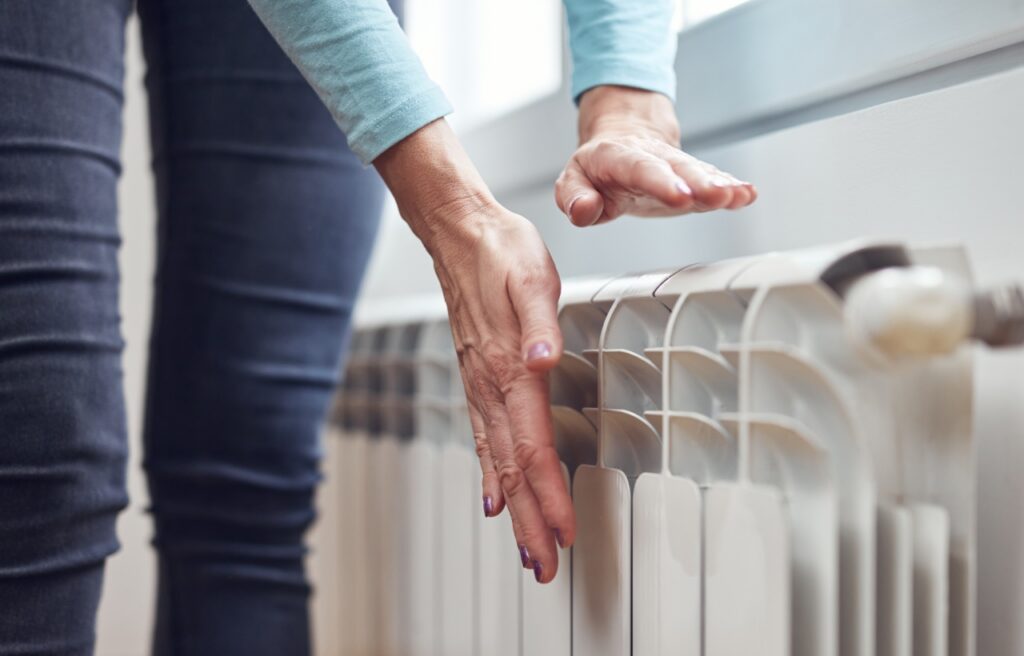
The first component of the acronym is dedicated to keeping your indoor environment warm and safe during the bitter cold of winter. Heating systems come in several different forms, but they all share the primary goal of generating thermal energy and distributing it evenly throughout your living space.
How Heating Works
The most common type of residential heating system is a forced-air furnace. Furnaces typically run on natural gas, propane, oil, or electricity. When the temperature inside your home drops below the threshold set on your thermostat, the heating cycle is triggered:
- Ignition: The fuel source is ignited within a safe, contained combustion chamber (or electric coils are heated).
- Heat Exchange: The heat generated by the burners is transferred to a vital component called the heat exchanger.
- Distribution: A powerful blower motor pulls cold indoor air across the hot exterior of the heat exchanger. The newly heated air is then forced forcefully through your home’s ductwork and out through the vents in your rooms.
Other popular heating options include heat pumps, which do not actively generate heat but rather transfer ambient heat from the outside air into your home, and boiler systems, which distribute heat via hot water radiators or radiant floor piping. If your home struggles to stay warm, investing in a modern, energy-efficient heating installation can drastically improve your comfort while lowering your winter utility bills. However, if your current system is simply underperforming, a professional heating repair is often all it takes to restore your system’s output.
The “V”: Ventilation Systems
When asking “what is heating ventilation and air conditioning,” the “V” is frequently the most misunderstood and overlooked component. However, proper ventilation is arguably the most critical factor for maintaining a healthy, breathable indoor environment.
Why Ventilation Matters
Modern homes are built to be incredibly airtight. High-quality insulation and weather-sealed windows are fantastic for keeping heat from escaping, but they also trap stale air, odors, moisture, and indoor pollutants inside. Without a dedicated ventilation system, your home’s indoor air quality can quickly plummet, leading to respiratory issues, mold growth, and high humidity.
How Ventilation Works
Ventilation is the active process of exchanging indoor air with fresh outdoor air. This is achieved in two primary ways:
- Natural Ventilation: The traditional method of simply opening doors and windows to let a breeze flow through the house. While effective, it is not practical during extreme summer or winter weather.
- Mechanical Ventilation: This relies on fans, ductwork, and specialized equipment like ERVs (Energy Recovery Ventilators) to actively pull fresh air into the home while exhausting stale air out.
Your ductwork is the vital highway system for your mechanical ventilation. It ensures that the air being conditioned is properly circulated to every corner of your property. To keep this air clean, the air passes through advanced filtration media that catches dust, pet dander, and allergens. Keeping these pathways unobstructed and clean is vital, which is exactly why routine air duct cleaning is highly recommended to remove built-up debris and improve your system’s overall airflow efficiency.
The “AC”: Air Conditioning Systems
The final component of the acronym is what makes modern summers bearable. Air conditioning is responsible for removing extreme heat and sticky humidity from the indoor air, replacing it with a crisp, refreshing breeze.
The Science of Cooling (The Refrigeration Cycle)
Unlike a furnace, which generates heat, an air conditioner does not actually “create” cold air. Instead, it operates on a scientific principle called phase conversion, utilizing chemical refrigerants to actively absorb heat from inside your house and move it outside.
Here is how the continuous refrigeration cycle works:
- Absorption (The Evaporator Coil): Warm indoor air is blown across a freezing-cold evaporator coil located inside your home. The liquid refrigerant inside the coil absorbs the heat from the air, turning into a warm gas in the process.
- Compression (The Compressor): This warm gas travels outside to the compressor unit. The compressor squeezes the gas, raising its temperature and pressure significantly.
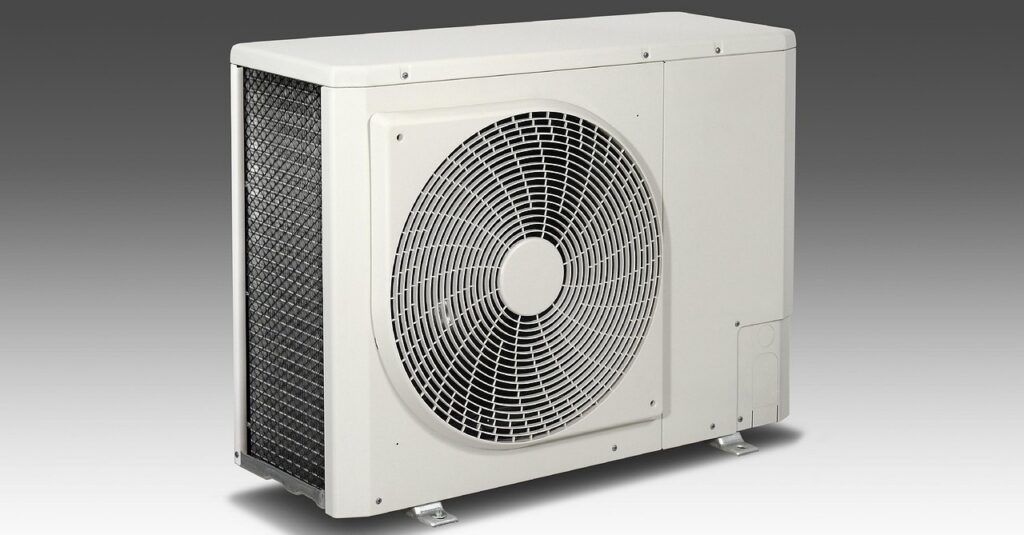
- Release (The Condenser Coil): The super-heated, pressurized gas enters the outdoor condenser coil. A large fan blows outside ambient air over the coil, allowing the heat trapped in the refrigerant to rapidly dissipate into the outdoor environment.
- Expansion: As the heat leaves, the refrigerant cools and condenses back into a liquid. It flows through an expansion valve that rapidly drops its pressure and temperature, preparing it to re-enter the indoor evaporator coil and start the entire process over again.
If your system is constantly breaking down or relies on outdated, phased-out refrigerants like R-22, you may find that scheduling a completely new air conditioning installation is a far better long-term investment than constantly repairing a failing, inefficient unit.
How Do These Systems Connect?
Now that we have answered the core components of “what is heating ventilation and air conditioning,” it is crucial to understand that these are not entirely separate entities. They function as one highly integrated, synchronized ecosystem.
The Shared Infrastructure
In most modern central air setups, the heating and cooling systems share the exact same physical infrastructure. They rely on the identical network of ductwork hidden in your walls and ceilings to deliver conditioned air to your living spaces. Furthermore, the air conditioner and the furnace typically share the exact same indoor blower motor. During the summer, the blower pushes cold air from the evaporator coil; during the winter, it pushes warm air from the heat exchanger.
The Brain of the Operation
Connecting and controlling this entire mechanical ecosystem is your thermostat. The thermostat constantly monitors the ambient temperature of your home and communicates directly with the HVAC control board, telling the furnace when to ignite or the AC compressor when to engage. Upgrading your home’s “brain” through a modern smart thermostat installation allows you to meticulously control humidity levels, set energy-saving automated schedules, and operate your entire ecosystem remotely from your smartphone.
Why Regular Maintenance is Crucial for the Ecosystem
Because the heating, ventilation, and air conditioning components are so intimately connected, a failure in one area will severely impact the others. A heavily clogged air filter will not only restrict your ventilation and ruin your indoor air quality, but it will also choke the blower motor, forcing your air conditioner and furnace to overwork, overheat, and consume massive amounts of electrical energy.
To keep this delicate ecosystem running flawlessly, proactive maintenance is absolutely essential. Routine air conditioning maintenance performed in the spring—and furnace maintenance in the autumn—ensures that moving parts are well-lubricated, electrical connections are safely tightened, and coils are perfectly clean.
Homeowners who want to remove the stress of scheduling these crucial tune-ups often choose to enroll in dedicated Comfort Club maintenance plans. These comprehensive programs ensure that highly trained technicians calibrate your system bi-annually, keeping your warranties perfectly valid, extending the physical lifespan of the equipment, and keeping your monthly utility bills as low as mathematically possible.
Conclusion
So, what is heating ventilation and air conditioning? It is the vital mechanical heartbeat of your home. It is the complex, interconnected science of keeping you warm during blizzards, cool during heatwaves, and breathing clean, purified air all year long. By understanding how the H, the V, and the AC function and connect, you can take vastly better care of your property, recognize the early warning signs of mechanical trouble, and ensure your home remains a sanctuary of total comfort no matter what the weather outside is doing.