
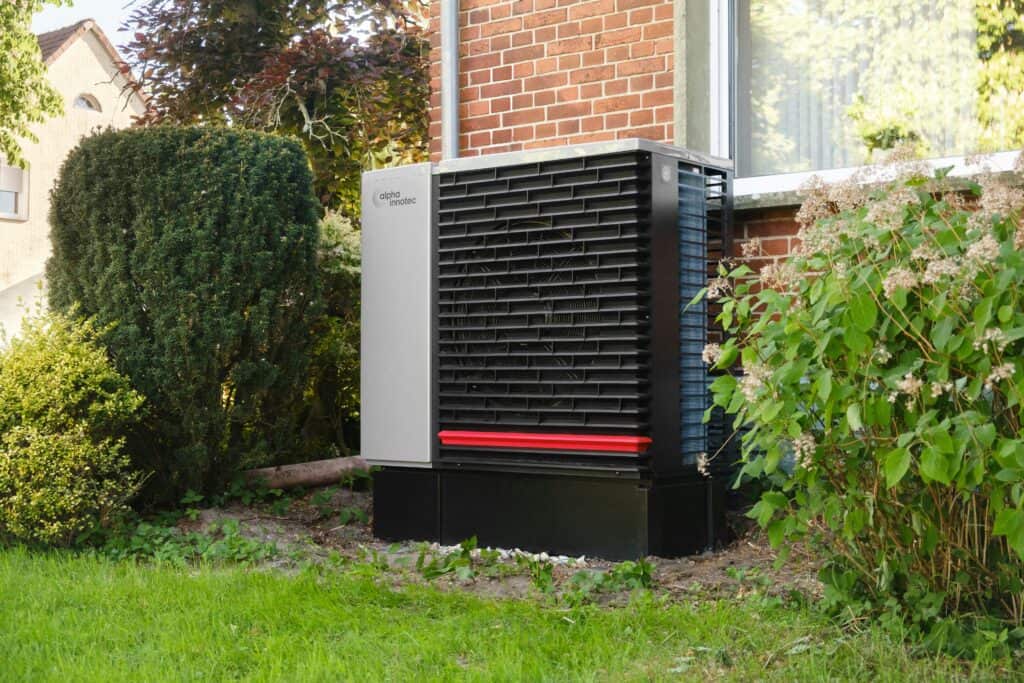
We will try to find our if you need a Heat Pump vs Furnace. Perhaps you’re asking us for the short version, for most homes in Georgia a heat pump is the more efficient pick for everyday winter weather, and a gas furnace is the one that puts out stronger heat when we get a hard freeze. Plenty of our customers end up splitting the difference with a dual fuel system, which runs the heat pump on mild days and hands things off to gas once the temperature drops. What’s right for your house really comes down to your energy costs, whether you’ve got gas service, the shape your ductwork is in and how warm you want to feel on the coldest night of the year.
This year the decision carries a little more weight than usual. The forecast is for a Super El Niño, and for Georgia that tends to mean a wetter winter that can’t make up its mind, mild for a week and then hit with sharp Arctic cold, with a higher risk of ice storms thrown in. So if you’re going to weigh a system that can handle both the easy days and the rough ones, it’s a lot more pleasant to do it now than during an ice storm.
Before we get into the weeds, here are a few numbers we think help frame the whole thing:
- Builders have mostly made up their minds. Back in 2000, only 23% of new single-family homes used a heat pump as their primary heat, and by 2024 that had jumped to 47% of the homes started that year, going by the Census data the National Association of Home Builders compiled.
- The South has always leaned electric. We’re the only region of the country where electricity is the main heating fuel in a majority of homes, according to the U.S. Energy Information Administration.
- Don’t count the gas furnace out, though. According to the U.S. Department of Energy, a lot of older furnaces only managed 56% to 70% efficiency, and the high-efficiency ones sold today land anywhere between 90% and 98.5%, which is a bigger jump than most people realize.
First up is how each one actually works. After that it’s Georgia’s climate, then the money side, and at the end we’ll tell you how we’d go about choosing if it were our house.
How each system heats your home
Both of these end up blowing warm air through your ducts, and that’s honestly about where the resemblance stops. It’s worth a couple of minutes to see how differently they get there, because nearly everything else in the heat pump vs furnace decision traces back to it.
How a gas furnace makes its heat
A furnace is the more old-fashioned idea, and we mean that in a good way. It burns natural gas or propane inside a sealed metal chamber we call the heat exchanger, the blower shoves your house air across the hot outside of that chamber and into the vents, and whatever’s left over from burning goes out a vent pipe.
The weather outside doesn’t really matter to a furnace, since it’s making its own fire, and that’s why it pushes out the same strong heat in the worst cold snap of the year as it does on a cool November night. When you shop for one, look for the AFUE rating. It’s just the percentage of your fuel that ends up as usable heat instead of going up the vent, and on a 96% AFUE furnace that means 96 cents of every fuel dollar is keeping you warm.
How a heat pump moves its heat
There’s no fire anywhere in a heat pump. What it does with its electricity is haul heat that’s already floating around in the outdoor air into your house. The refrigerant is the delivery truck here. It loads up on heat at the outdoor unit, drives it inside to the indoor coil and drops it off. In July the same system just runs the other way and cools the place down.
Since it isn’t making heat from scratch, only moving it, a heat pump uses a lot less energy to do the same job, and on a mild Georgia day it’s hard to beat. Its rating is called HSPF2, and the bigger that number is, the more heat you’re getting out of each bit of electricity you pay for. Here’s the catch, though. The colder it gets outside, the less heat there is out there to grab, so the heat pump works harder and harder and may end up calling on its backup electric heat strips.
What a dual fuel system is
Some people call it a hybrid system, but either way, dual fuel means an electric heat pump and a gas furnace hooked up to work as a team. The heat pump takes care of heating on mild and cool days, when it’s at its most efficient, and once the temperature drops below a set point, the system switches itself over to the gas furnace for strong, steady heat.
In the summer the heat pump cools the house just like a regular central air conditioner would. For a lot of Georgia homes that already have gas, dual fuel gets you the efficiency of a heat pump for most of the year and the dependable muscle of a furnace on the coldest nights.
Comfort and performance in Georgia’s climate
Where you live has a lot to do with which system makes sense. Georgia’s winters are mild by national standards, but anybody who’s lived here a few years will tell you they’re anything but predictable, and that changes how each one performs.
Georgia’s mild winters favor heat pumps
In central Georgia, a lot of winter days land in the 40s and 50s, with nights that dip near freezing or a little below it. That’s just about perfect weather for a heat pump, because it can move plenty of heat out of the outdoor air while using far less energy than it’d take to make that heat from scratch.
It’s a big part of why you see so many heat pumps across the Southeast. In Milledgeville, Macon, Dublin and Augusta, where hard freezes don’t come around as often, a modern heat pump that’s sized right can handle most or all of the winter comfortably. North Georgia communities like Athens and Covington get more cold snaps, though, so the backup heat question matters a lot more up there.
Cold snaps and backup heat
Every heat pump has a temperature where it just can’t keep up by itself anymore, and below that point it turns to backup heat, which is usually a set of electric heat strips that work a lot like a giant toaster. The EIA notes that this electric resistance heat gets the job done but is relatively expensive to run. Newer cold-climate heat pumps hold onto their output much better at low temperatures, but most systems in Georgia are still going to lean on backup heat during a hard freeze.
A gas furnace doesn’t have that problem at all. It puts out the same strong heat at 15 degrees as it does at 45, which is why a furnace, or a dual fuel system, appeals to folks in the colder parts of the state and to anybody who wants real heat when the Arctic blasts roll in.
How the heat feels
Two houses can have the thermostat set to the exact same number and still feel different to the people living in them, and the kind of heat is a big reason why. Put your hand up to a vent while a gas furnace is running and you’ll find the air coming out downright hot. That knocks the chill out of a cold house fast, so the folks who dread climbing out of bed on a frosty morning usually end up big fans.
A heat pump gives you gentler warm air over longer, steadier cycles. We’ve had customers say it took them a winter to get used to, and others who wouldn’t go back, because the temperature stays so even and the house doesn’t seesaw between warm and chilly. Variable-speed equipment helps here no matter which way you go, since a variable-speed heat pump or furnace loafs along at low speed most of the day and only ramps up when it has to.
Comparing costs: installation, operation and upkeep
Money is usually what settles the heat pump vs furnace question for the families we work with. It’s worth splitting into three separate bills, though, since what you pay on install day, what shows up on the monthly statement and what upkeep costs over the years don’t always point the same direction.
Upfront installation costs
What you’ll pay up front depends a lot on what the house already has. If there’s existing ductwork and gas service, swapping an old furnace and air conditioner for a new furnace and air conditioner is usually pretty straightforward, and replacing them with a heat pump is common too, since the heat pump takes over the air conditioner’s job and most of the furnace’s.
Without gas service, adding a gas line can drive up the cost of a furnace quite a bit, and that often makes the heat pump the more practical choice. A dual fuel system usually costs more up front than either system alone, because you’re buying both a heat pump and a furnace, and a good contractor will price out each option for your actual house so you can compare them fairly (if budget is a worry, ask about HVAC financing, and take a look at the heating tax credits for a new furnace or heat pump).
Monthly operating costs
Which one costs less to run comes down to your local electricity and natural gas rates, how efficient each system is and how cold your winter actually gets. On mild days the heat pump usually wins, since it’s moving heat rather than making it, but in really cold weather a high-efficiency gas furnace often costs less to run than a heat pump that’s living on electric backup heat.
That’s exactly why dual fuel is so popular. It lets the heat pump cover all those mild days cheaply and then hands off to gas once it’s cold enough that gas becomes the cheaper way to heat, and since heating and cooling are more than half of the energy most homes use, picking the right setup can make a real difference over the years.
Maintenance and how long each one lasts
You can usually count on a gas furnace for somewhere around 15 to 20 years, with one tune up a year that mostly goes to the burners, the venting and the safety checks. It only runs in the winter, so it gets a nice long rest every summer.
A heat pump works winter and summer both, so it piles up more hours and usually doesn’t last quite as long, often around 10 to 15 years. It does best with two tune ups a year, one before heating season and one before cooling season. A dual fuel system needs care for both halves, but since they’re sharing the workload, neither one works as hard as it would if it were on its own.
Practical factors that shape your choice
Past comfort and cost, a few practical details about your house can narrow things down in a hurry, and we’d check these before you ever start comparing models.
Do you have natural gas service?
This is usually the first thing we ask. A lot of homes in the towns and suburbs around Georgia have natural gas lines, but out in the rural areas many don’t, and some houses run on propane from a tank out in the yard instead.
If gas is already there, a furnace or a dual fuel system is easy to consider. If it isn’t, a heat pump is usually the simpler and cheaper road, since running a new gas line can add a good bit of cost. Propane furnaces are an option for rural homes, but you’ll want to factor propane prices and the hassle of keeping a tank filled into the heat pump vs furnace math.
One system for heating and cooling
We’d argue that in Georgia the cooling side matters more than the heating side, if anything, since our air conditioners grind through months of hot, humid weather every year. A heat pump covers both with one outdoor unit. That’s one piece of equipment out back to buy, install and keep up instead of two.
Go with a gas furnace and you’ll still need a central air conditioner sitting next to the house for summer. When the air conditioner and the furnace are both getting old at the same time, which happens a lot since they usually went in together, that’s the perfect time to price out a heat pump or dual fuel, and we’d usually replace both at once because matched equipment runs more efficiently.
Safety and peace of mind with each system
Installed right and looked after, either one is safe, they just ask you to watch different things. A furnace is burning fuel inside your house, which is why the venting has to be right and the heat exchanger has to stay in one piece. Keep working carbon monoxide detectors around, and don’t skip the yearly safety inspection.
A lot of families like that a heat pump has no flame in it at all, so the heating system itself can’t put carbon monoxide in the air. That said, if there’s a gas water heater, a gas range or a fireplace anywhere in the house, you still want carbon monoxide detectors on every level (here’s why we’d check them before winter).
Choosing the right system for a Super El Niño winter and beyond
Whatever you put in will probably be heating your house for 15 years or more, so it should fit a normal Georgia winter and the rough ones too. This winter’s forecast makes a pretty good stress test for thinking it through.
Temperature swings and the case for dual fuel
The forecasters are calling the coming winter a battleground pattern for the Southeast, with mild stretches broken up by sharp Arctic blasts. That’s exactly the kind of weather where each system’s strengths stand out, since heat pumps shine on the mild days and furnaces shine in the deep cold.
For homes with gas service, a dual fuel system handles both without giving anything up, using efficient heat pump heating most of the time and switching to gas when the temperature drops. And for homes without gas, a modern variable-speed or cold-climate heat pump with properly sized backup heat can handle Georgia’s cold snaps just fine.
Power outages and ice storms
When an El Niño winter turns ugly, it’s usually an ice storm that does it, and north Georgia tends to catch the worst of them, power outages included. Here’s the part that surprises people: a gas furnace goes dark in an outage just like a heat pump does. The heat pump runs on electricity top to bottom, and the furnace, gas or not, can’t fire its igniter or spin its blower or run its controls without power.
Which means that when the lights go out, neither one is keeping you warm by itself. For anybody who loses power every time a limb comes down, a standby generator is worth a conversation with your contractor, as long as it’s properly installed and big enough to run the heating system. The one thing we beg people not to do is drag a portable generator, a grill or a gas oven indoors for heat, since that’s how a lot of folks end up with carbon monoxide poisoning after a storm.
Why a professional load calculation matters
If we could fix one thing about how people buy heating systems, it’d be the sizing. Go too big and the system is constantly kicking on and off, wearing itself out and leaving some rooms warmer than others. Go too small and it never shuts off, and it still can’t keep up when it’s cold.
That’s what a load calculation is for. A qualified contractor looks at how big the house is, how well it’s insulated, the windows, the layout and the local climate, and works out from all of that how much heating and cooling you really need. They should also look over the ductwork, check your gas and electrical service and walk you through the options side by side. It’s the difference between a system that fits your house and one that just fits the old box in the closet, and it’s the first thing our heat pump installation and furnace installation teams do on every job.
Frequently asked questions about heat pumps and furnaces
Is a heat pump or furnace better for Georgia?
In most Georgia homes we’d lean heat pump for everyday efficiency and furnace for raw heat in a hard freeze. If you’ve already got gas coming to the house, though, dual fuel lets you have both, and it’s often what we end up recommending.
Do heat pumps work when it is below freezing?
They do keep running below freezing. What changes is how efficient they are, which drops along with the temperature, and at some point the backup electric heat starts helping out, though the newer cold-climate models hang in there far better than the older ones ever did.
Which costs less to run, a heat pump or a gas furnace?
Honestly, it depends on what you’re paying for electricity and gas where you live, and on how cold the winter turns out. On mild days the heat pump is usually cheaper. When it gets bitter for a week, a high-efficiency gas furnace often wins.
What is a dual fuel system?
It’s a heat pump and a gas furnace splitting the work between them. The heat pump handles the mild days and all of summer, and when it drops below a temperature you’ve picked, the furnace takes over on its own.
How long do heat pumps and furnaces last?
Figure on about 15 to 20 years for a gas furnace and around 10 to 15 for a heat pump, and the gap is mostly because the heat pump never gets a season off.
Will either system keep my home warm during a power outage?
Not on their own, since both need electricity. The heat pump runs entirely on it, and even a gas furnace can’t light or blow air without power for the igniter, blower and controls, so the safest backup we know of is a standby generator that’s been properly installed.
How do I know which system is right for my home?
We’d start with a professional load calculation, then take an honest look at whether you have gas, what shape the ductwork’s in, what you pay for energy and how you like the house to feel. From there a qualified contractor can lay the options out side by side for your specific home.
Find the right heating system for your home
We can’t give you one heat pump vs furnace answer that fits every house in the state, but we can usually find the right one for yours. It might be a high-efficiency heat pump, a modern gas furnace or dual fuel, and whichever it is, it ought to balance what you’ll spend with how comfortable you’ll be and how the winters actually feel on your street.
At The Air Conditioning Specialist we sit down with homeowners in Covington, Milledgeville, Augusta, Athens and the surrounding Georgia communities and compare heat pumps, furnaces and dual fuel systems with them, and we’ll tell you what we’d put in our own house. We’ll size it properly and go through the options without a sales pitch, and when we install it, it’s done right the first time. Call us to set up a consultation and we’ll get your next heating system picked out before winter shows up.